
European Future of the Western Balkans
Under the title “The European Future of the Western Balkans: Political Integration, Regional Cooperation and Economic Resilience in Times of Global Challenges”, the international conference took place from 20 to 22 February in Skopje.
The conference was organised by the Pan-European Union of Macedonia in cooperation with the Pan-European Union of Austria, the Otto von Habsburg Foundation, and the Institute of the Regions of Europe in Salzburg.
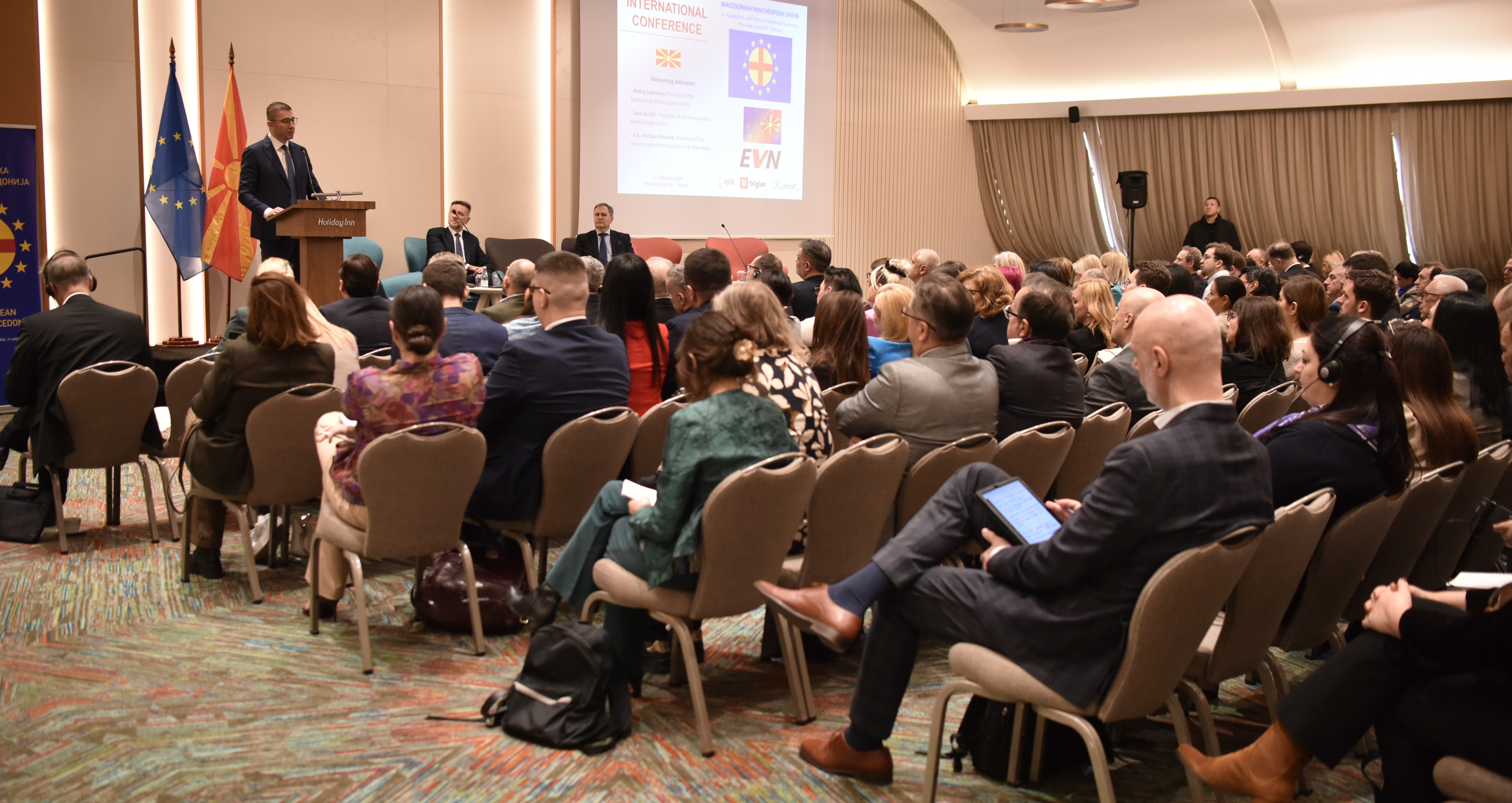
The Pan-European meeting gathered more than 100 participants. Representatives of the diplomatic corps, European institutions, and Pan-European organisations from Albania, Austria, Bosnia and Herzegovina, Bulgaria, Montenegro, France, Croatia, Kosovo, Germany, Serbia, and Spain took part in the programme.
The opening ceremony was held at Villa Vodno, the presidential residence. The President of the Republic of North Macedonia, Professor Dr Gordana Siljanovska-Davkova, stated in her welcoming address that Europe cannot be fully secure as long as the Western Balkans remain outside the European Union. Without a strong and determined EU, the Balkans will remain an area where external powers continue to test their influence.
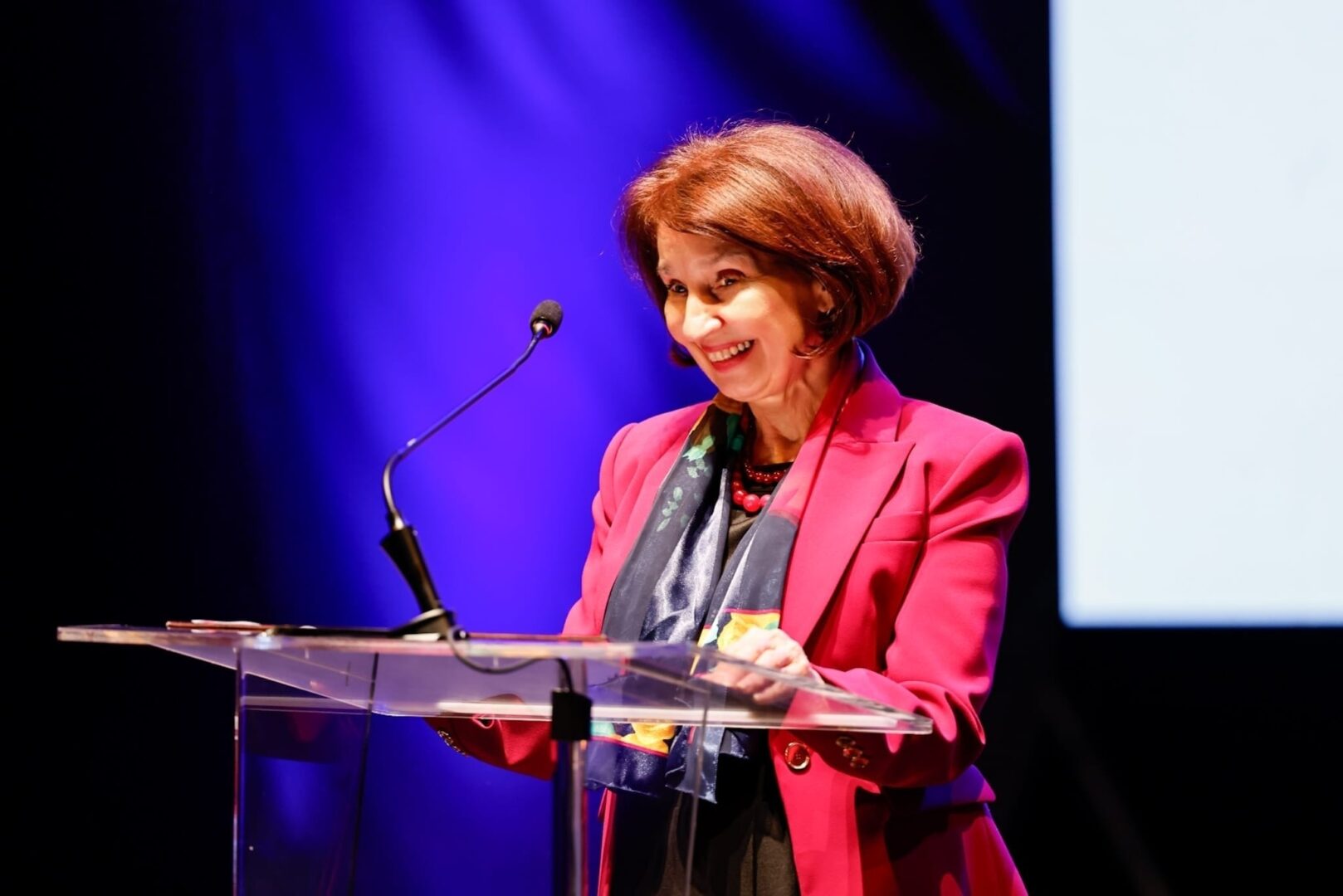
Speaking beneath the sumptuous mosaics of Gligor Čemerski, which bear witness to Macedonia’s historically rooted contribution to European culture and civilisation, President Siljanovska-Davkova noted that just as every stone is essential to the stability of a mosaic, the Western Balkans constitute an indispensable part of the European whole — without which the EU remains vulnerable to geopolitical challenges as well as military and hybrid threats.
In her address, she recalled Richard von Coudenhove-Kalergi’s vision of a united Europe founded on shared values, as well as Otto von Habsburg’s efforts to overcome divisions and promote the integration of the peoples of Central, Eastern, and Southeastern Europe. The President observed that new political barriers continue to keep the country in a state of prolonged uncertainty, despite decades of reforms and difficult compromises.
According to her, Macedonian citizens have long demonstrated a strong commitment to their European future. They do not seek condolences or post festum apologies; rather, they call for timely, ex ante solutions to unblock the process of European integration. This, she underlined, constitutes an appeal for renewed political will and leadership capable of completing the enlargement process.
The main organiser of the conference was the President of the Pan-European Union of Macedonia, Dr Andrej Lepavcov. He delivered the introductory remarks, moderated the first panel, and participated in the panel on EU enlargement and stability. He outlined the position advocating the acceleration of enlargement to the Western Balkan countries, with particular emphasis on the case of Macedonia.

The President of the International Pan-European Union, Professor Dr Pavo Barišić, emphasised in his speech that North Macedonia’s path towards European integration has been unfairly slowed and, at times, nearly halted.
“Between 2008 and 2018, Greece blocked progress, and since 2019 Bulgaria has followed a similar course. The deeper problem, however, is that European institutions have too often accepted such bilateral blockades instead of seeking to overcome them. Rather than mediating in the spirit of good neighbourliness, they risk entrenching these disputes by allowing them to shape the accession process. This situation is reminiscent of the border dispute in Piran Bay, when Slovenia blocked Croatia. Fortunately, both countries are now members of the Schengen Area, and their bilateral relations continue to improve. North Macedonia has become a kind of litmus test for the consistency and credibility of European policy,” Barišić stated.
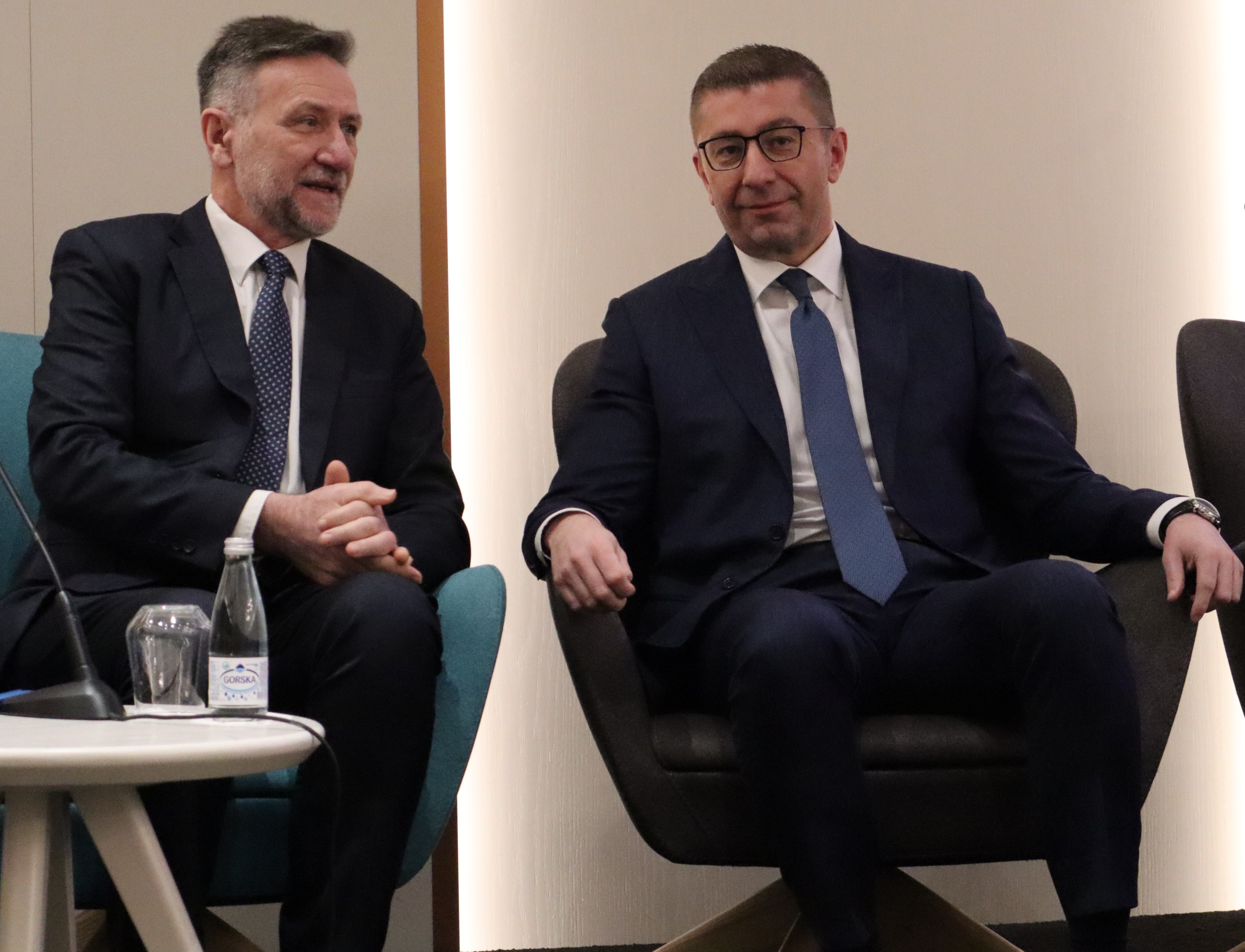
Prime Minister Hristijan Mickoski concurred with Barišić’s assessment, stating that North Macedonia is being subjected to what he described as political bullying — a reality visible to all, particularly in Brussels, yet insufficiently addressed.
“Some go even further and claim that what is being done to Macedonia amounts to an injustice. Europe is watching and allowing it. Our people have always been European and have defended European values for centuries. We have endured much, and we will endure this as well, but we require strong support,” said Mickoski.
The Prime Minister concluded by referring to the demographic challenges facing Europe as a whole and to the energy potential of the region, which, as he emphasised, will assume significant importance in the coming decade.
Programme (EN) (PDF)